Juba, South Sudan – September 10, 2025
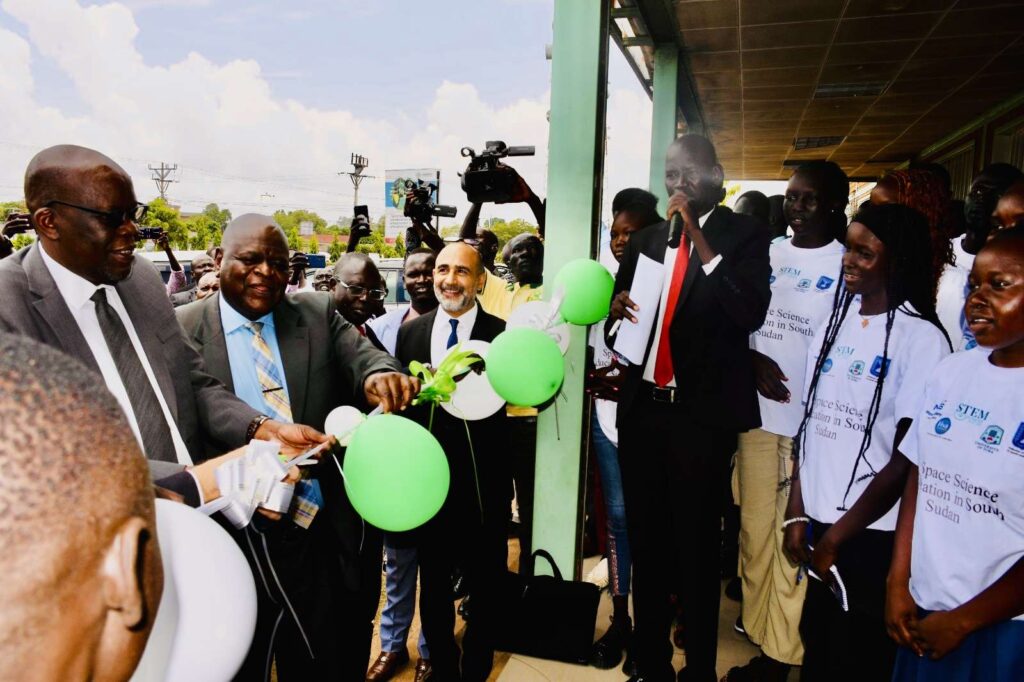
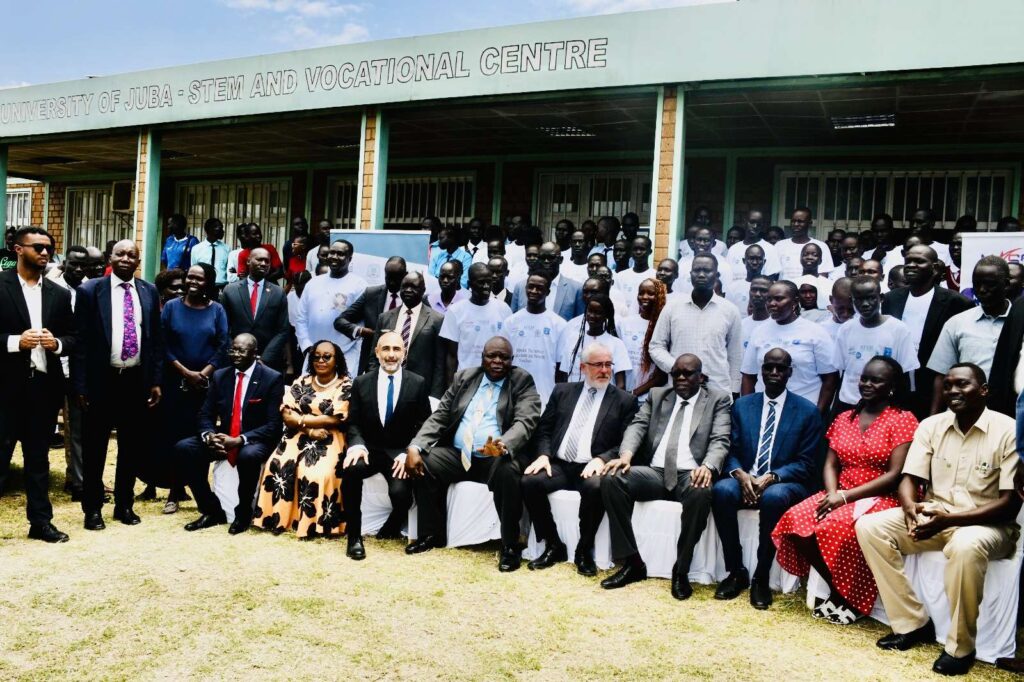
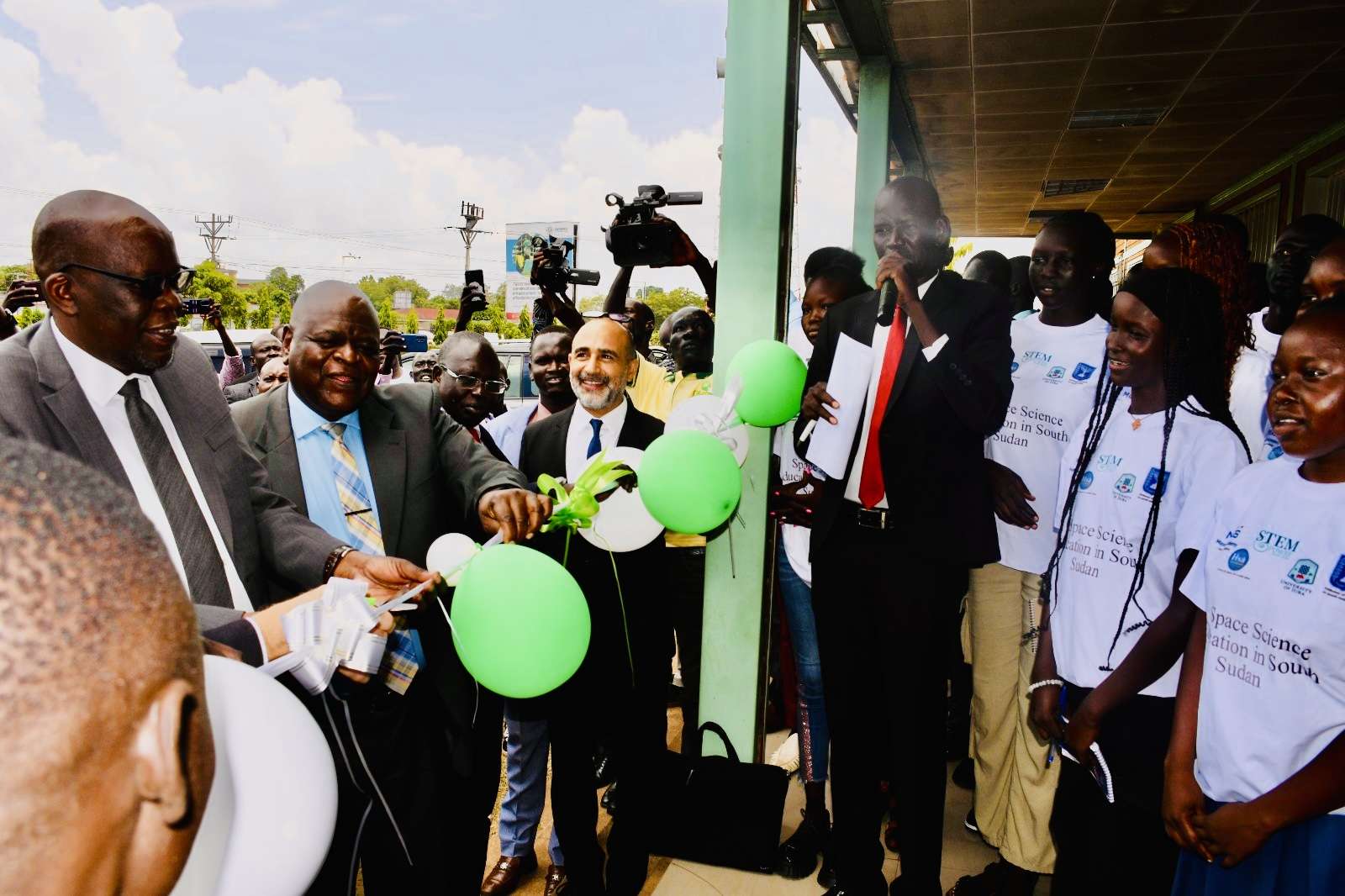
The University of Juba, through its Mayardit Academy for Space Science (MASS), officially launched the first Space Science Education Programme for schools in South Sudan. The initiative was unveiled at the University’s STEM Centre under the theme: “Empowering South Sudan’s Future Through Space Science and Technology.”
The programme is implemented in partnership with Harel Space Science Agency, Embassy of Israel to South Sudan, and STEM Power, marking a major step toward advancing science and technology education in the country.
Presenting the vision behind the initiative, John A. Akec, Project Director of MASS, highlighted that the academy was established to honor South Sudan’s founding leadership and to respond to the growing interest in space science across Africa. He emphasized the importance of space science in areas such as weather forecasting and disaster management, noting its contribution to sustainable development. Prof. Akec further underscored the academy’s mission to inspire young people to pursue careers in STEM fields and to build national capacity in science and innovation.
Christopher Tombe Louis, Dean of the School of Applied and Industrial Sciences and Chairman of MASS, reiterated the academy’s commitment to nurturing scientific talent among young learners. He highlighted regional collaboration efforts and the alignment of the programme with broader science and technology policies aimed at strengthening innovation and human capital development.
Speaking on behalf of students, Sarah Moses emphasized the importance of inclusivity in science education, noting that interest and participation—not gender—should determine one’s pursuit of scientific fields.
Harel Hary Ben-Ami, Managing Director of Harel Space Science Agency, described MASS as the first space science academy in South Sudan. He noted that the initiative, supported by international partners, aims to strengthen the country’s capabilities in space science and apply scientific solutions to societal challenges.
Lucy Biel, Director of STEM Power South Sudan, expressed enthusiasm about the partnership and highlighted ongoing training programmes for students and teachers. She emphasized the importance of expanding STEM education across the country to foster curiosity and innovation among young learners.
Eng. Chol Joseph Mayen Dut, Director General of Research and Planning at the National Communications Authority (NCA), outlined the institution’s support for the initiative. He revealed that the NCA has established a dedicated space department and is investing in capacity building through international training and scholarships in satellite communication. He further noted that South Sudan has secured two orbital slots for satellites, primarily for communication and broadcasting purposes.
Also addressing the gathering, Amb. Wol Arich highlighted the country’s potential for growth and the importance of international collaboration in achieving scientific advancement.
Gershon Kedar, Ambassador of Israel to South Sudan, reaffirmed his country’s support for the initiative and emphasized the importance of academic and grassroots cooperation in nurturing the next generation of scientists.
The Acting Vice Chancellor, Isaac Cleto Rial, noted the rapid progress of space science development across Africa, with more than 20 space agencies established and several countries successfully launching satellites. He linked the programme to the University’s strategic goals of integrating into the global knowledge economy and promoting technology transfer.
Delivering remarks as Guest of Honour, Kuyok Abol Kuyok, Minister of General Education and Instruction and Acting Minister of Higher Education, Science and Technology, reaffirmed the government’s commitment to strengthening science education. He emphasized that integrating space science into the national curriculum will equip learners with the skills, knowledge, and inspiration needed to succeed in the 21st century.
The launch of the Space Science Education Programme marks a transformative milestone for South Sudan’s education sector. By introducing space science at the school level, the initiative aims to empower youth, promote innovation, and position the country to harness the benefits of science and technology for sustainable development.